Published: 9 May 2026
Accessibility Is Now a Competitive Advantage
As procurement processes become more sophisticated, accessibility has emerged as a key differentiator. Suppliers who can demonstrate robust accessibility practices and provide high-quality ACRs are more likely to win contracts.
Why ACRs Matter in Modern Procurement
Procurement teams use ACRs to assess:
- legal risk
- operational risk
- user impact
- vendor maturity
- long term maintainability A strong ACR signals that a supplier is credible, transparent, and ready for enterprise deployment. A weak ACR raises red flags and slows down evaluation.
What Buyers Look For in a Strong ACR
1. Honesty and clarity
When I left the Australian Broadcasting Corporation (ABC) a colleague and talented potter made me a beautiful coffee cup as a gift. On the base of the cup, she inscribed a simple message: “Progression not Perfection.” with a carrot symbolising leading with a carrot rather than a stick This is a great mantra for accessibility in procurement. Buyers don’t expect perfection — they expect honesty and clarity about where a product stands today, and how it will improve over time.
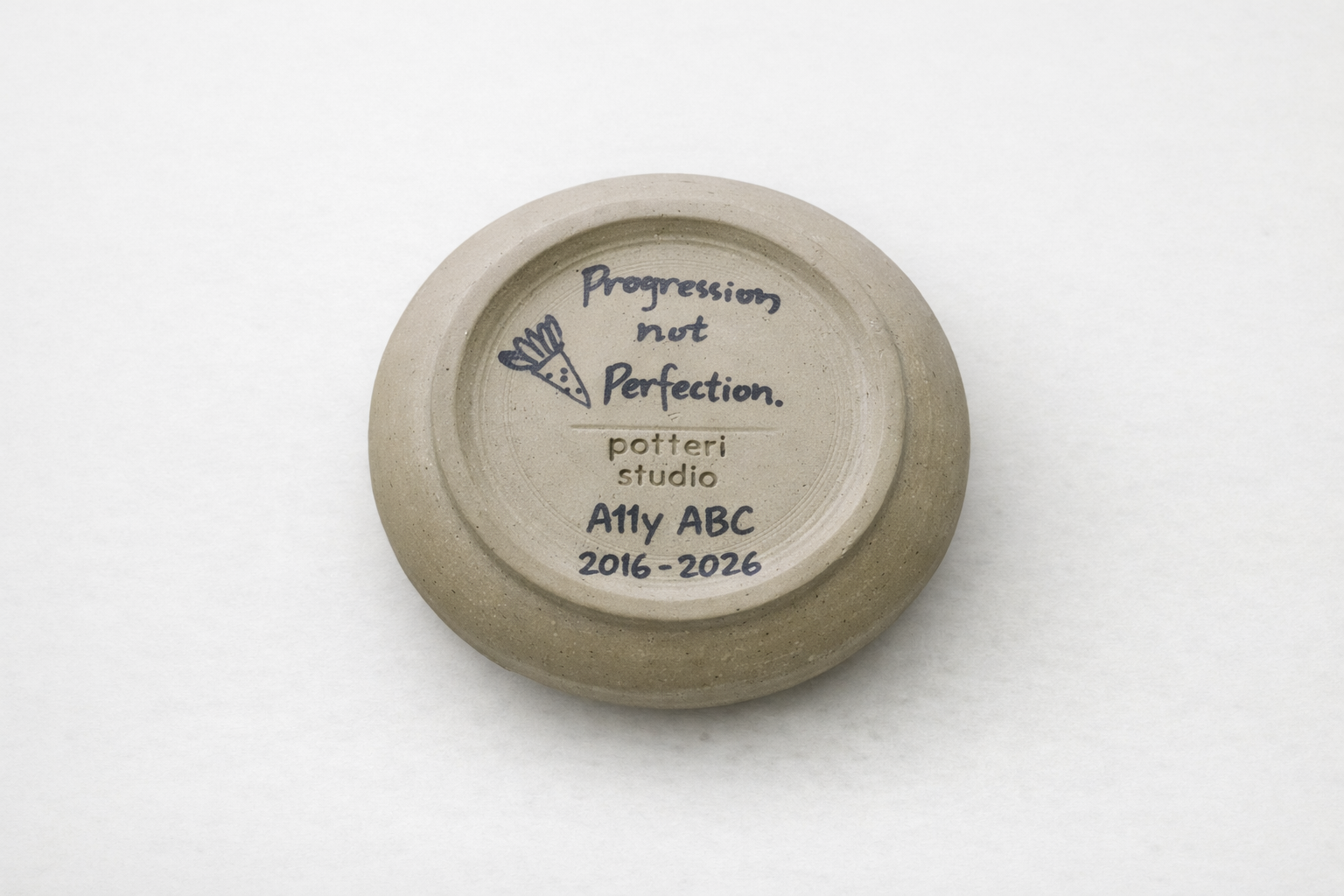
Buyers don’t expect perfection — they expect accuracy. “Partially Supports” is not a deal-breaker if the vendor explains the limitation and provides a remediation plan.
2. Evidence of testing
Procurement teams want to see:
- manual testing
- assistive technology testing
- documented methods
- clear scope
3. Governance and accountability
Buyers want to know:
- who owns accessibility
- how often the product is tested
- how issues are prioritised
- how updates are communicated
- A roadmap for improvement If gaps exist, buyers expect a realistic, time bound plan.
How to Produce a High-Quality ACR That Wins Tenders
1. Start with a proper audit
A credible ACR requires a real assessment — not guesswork. This includes:
- WCAG 2.2 testing
- EN 301 549 alignment
- assistive technology checks
- functional performance evaluation
2. Write accurate conformance statements
Avoid vague language. Each criterion should include:
- a clear result
- a short explanation
- evidence or examples
3. Document test methods
Buyers trust ACRs that show:
- who tested
- what tools were used
- which assistive technologies were included
4. Version and date the report
Procurement teams need to know how current the information is.
Using Accessibility to Strengthen Tender Responses
1. Demonstrate maturity
Include:
- accessibility governance
- design system processes
- training programs
- continuous monitoring
2. Link accessibility to user outcomes
Show how accessibility improves:
- usability
- reliability
- customer satisfaction
3. Highlight your roadmap
Buyers appreciate transparency. A clear roadmap shows commitment and reduces perceived risk.
Case Example (Generic)
A mid size SaaS vendor competing for a government contract submitted a detailed ACR with clear evidence of testing and a 90 day remediation plan for moderate issues. Their competitor submitted a vague, copy pasted ACR with no roadmap. The first vendor won the tender — not because their product was more accessible, but because they demonstrated maturity and reduced procurement risk.
Conclusion
Accessibility is now a differentiator. Suppliers who invest in high quality ACRs and transparent processes win more tenders, build trust, and accelerate sales cycles.
Services
ICT Supply: Learn how AccessUX helps ICT suppliers and vendors win more tenders by improving their product accessibility, and evidencing it to government and enterprise buyers.